
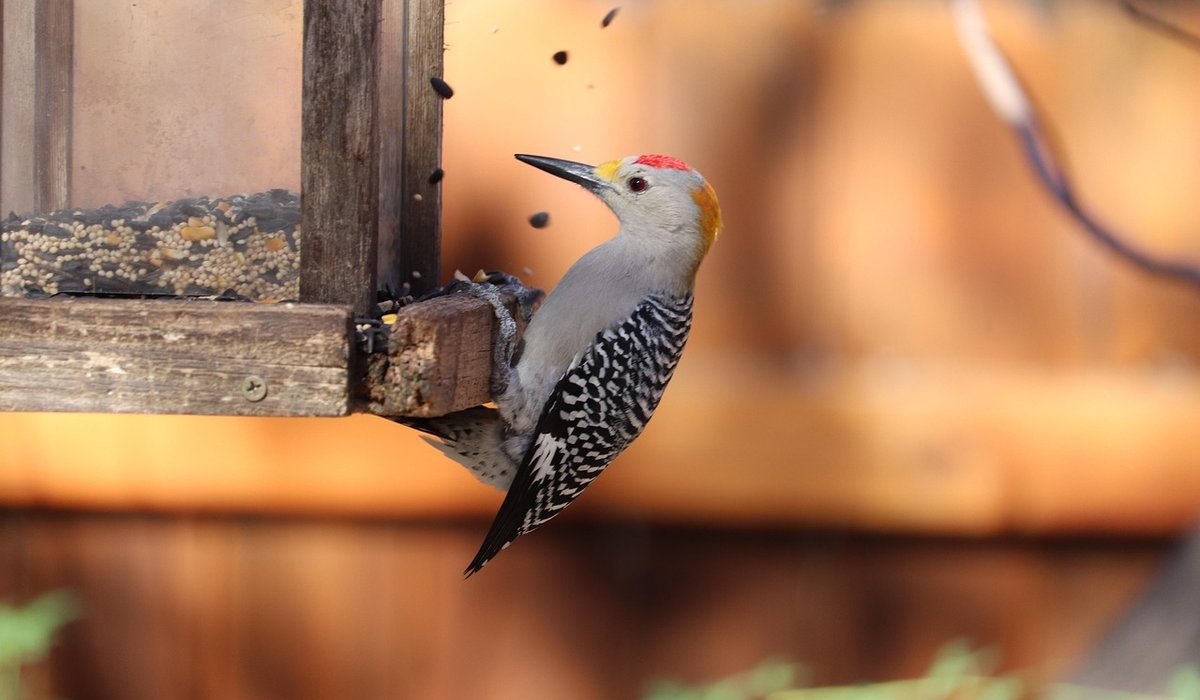
Preparing Your Garden for Autumn Wildlife
Autumn is the season when many of us reach for the secateurs and the leaf blower, determined to restore order before winter. But a garden that has been scrubbed too clean is a hard place for wildlife to survive. Every seed head you cut, every pile of leaves you bag up and every hollow stem you snap off is a potential bed, larder or shelter for something small and increasingly hard-pressed. The good news is that helping them involves doing less, not more.
Why a Tidy Garden Is a Tough Place to Spend Winter
Britain's insects, amphibians, reptiles and small mammals do not migrate south in October. They adapt, hunker down and wait. A hedgehog needs a dry, insulated nest. A frog needs somewhere cool and damp that will not freeze solid. A ladybird needs a crevice, a seed head or a hollow stem. A goldfinch needs a supply of seeds standing above the frost line.
Our instinct to tidy removes all of these at once. The result is a garden that looks neat but offers almost nothing between November and March. The fix is simple: leave a portion of your plot deliberately messy, and let the rest be your own. You do not need a wild meadow. A corner, a hedge base and one or two piles will do more good than you might imagine.
Let Your Seed Heads Stand
The single easiest change is to stop deadheading and stop cutting back herbaceous plants in autumn. Seed heads hold their shape through the worst weather and feed birds when little else is available.
- Teasel is the classic. Goldfinches will cling to the prickly cones and strip them through winter.
- Sunflowers left standing draw in greenfinches, tits and house sparrows.
- Echinacea, rudbeckia, helenium and sedum hold seed well into January and offer the bonus of frost-catching silhouettes.
- Nigella, cornflower, lavender, fennel and thyme all dry beautifully and provide small, high-value seeds.
- Grasses such as miscanthus and deschampsia give seed to finches and shelter to overwintering insects at their base.
Cut them back in late February or March, just before new growth starts. If a plant has flopped and looks genuinely tatty, cut it to about 30–45cm (12–18in) and leave the stubble — it will still be used.
Build a Log Pile (and Leave the Leaves)
Dead wood is one of the richest habitats in any garden, and it is almost always the first thing removed. A log pile is quick, free and quietly busy with life.
- Stack logs and thicker branches in a corner, loosely, with the bark left on. Aim for a mix of sizes and different woods.
- Put it in dappled shade, partly against a hedge or fence, and leave the bottom layer in contact with the soil.
- Add a few dead leaves and some dry grass around the edges for insulation.
Frogs, toads, newts, beetles, centipedes, woodlice and solitary bees will all move in. Stag beetle larvae need rotting wood, and every pile adds a little to what they have left. If you cannot manage a full pile, a buried bundle of logs or a small stack behind a shrub will still work.
Leaves are just as valuable. Rather than clearing every last one, rake them under hedges, behind borders and around the base of trees. Blackbirds and song thrushes will turn them over all winter looking for food, and hedgehogs will use them for nesting material. If you have a lawn, leave a thin scattering where it will not smother the grass.
Hollow Stems, Bundles and Other Small Shelters
Long after the flowers have gone, the stems themselves matter. Many insects overwinter inside hollow or pithy stems — solitary bees, small beetles and a host of tiny flies.
- Leave stems of elder, bramble, teasel, fennel and sunflower standing at 30–60cm through winter.
- Tie a bundle of hollow bamboo canes or cut stems together and tuck it horizontally in a hedge or against a wall.
- Upturned terracotta pots, cracked paving slabs and gaps in a dry stone wall all make good hiding places.
- Leave a little loose soil or a small patch of long grass at the base of a hedge — amphibians need damp, unfrozen cover.
Do not forget ivy. It flowers late, giving bees and late-flying red admirals and commas a vital nectar source, then produces berries that feed birds in late winter. A mature ivy-covered wall is worth more than most planted borders.
Water, Feeders and a Word About Bonfires
If you have a pond, keep it clear of fallen leaves — a net across part of it helps — but leave the pond itself alone. Frogs and newts will settle into the mud and among the plants at the bottom. Place a gently sloping stone or a piece of wood at the edge as a ramp so anything that falls in can climb out.
Top up bird feeders with sunflower hearts, suet and nyjer, and clean them regularly with hot soapy water to avoid disease. Fresh water matters as much as food, especially during hard frosts — a shallow dish, kept ice-free, will be visited constantly.
One important autumn note: check bonfire piles before lighting them. A heap of dry wood and leaves is exactly what a hedgehog looks for in late October, and they do not move once settled.
None of this requires money or expertise. It asks for a little patience and a willingness to leave well alone until spring. The birds, frogs and insects that see your garden through the cold months will repay you next year, many times over.
tag: Seasons

Oliver Pemberton Author
Keep a simple nature diary to record rainfall, wind and temperature, noticing how wildlife responds to changing conditions.
YOU MAY ALSO LIKE

A Month of Weather Watching in the Countryside
Sep 2
10These ancient boundaries support dormice, bats and butterflies; learn why thick, diverse hedges matter for British farm landscapes.
read more
Understanding Hedgerows and Their Wildlife Value
Aug 30
10A small garden pond can become a valuable breeding ground for amphibians, attracting dragonflies and providing year-round interest.
read moreWildlife
-

ERRIC CATONA
Balance greens and browns, turn regularly and choose the right bin to create rich compost for flower beds and vegetables.
May 19, 2016 at 5.12 pm
Reply
ERRIC CATONA
Plan routes, check weather, always carry map and compass, and learn basic navigation before heading into upland areas.
May 19, 2016 at 5.12 pm
Reply -
ERRIC CATONA
Choose seeds, nuts and fats for different species, position feeders safely and keep them clean to prevent disease.
May 19, 2016 at 5.12 pm
Reply
Countryside
Your email address will not be published.