
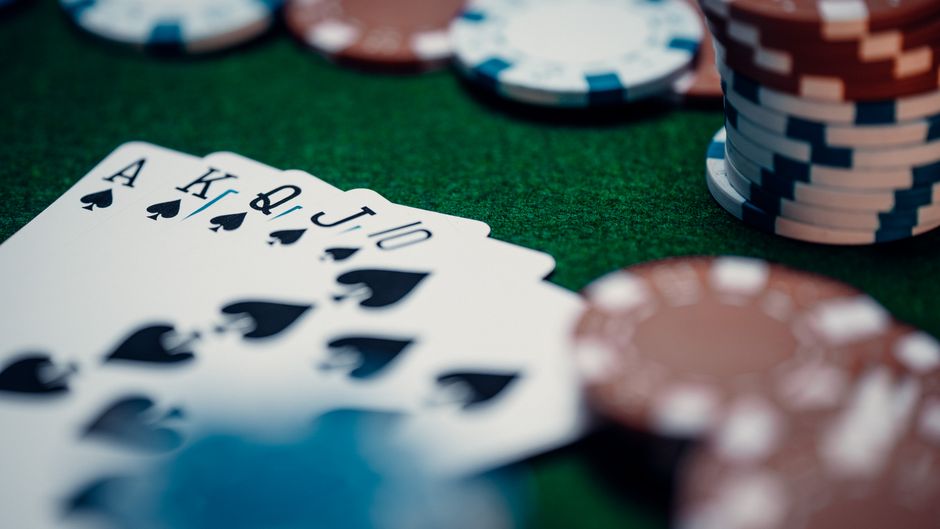
The iGaming Edge: Strategies for Slots, Poker, and Sports Betting
You’ve heard the pitch a thousand times: “This one trick will beat the casino.” Spoiler: there isn’t one. But after a decade of grinding low-stakes poker, testing slot volatility, and sweating NFL Sundays, I’ve learned that the difference between a hobby and a hemorrhage is separating luck from math. The iGaming world is vast—slots, poker, sports betting—and each vertical demands its own playbook. This isn’t about guarantees. It’s about giving yourself the best possible shot in games where the house always has an edge, but not always the same one.
Understanding the House Edge (And Why It’s Not All Doom and Gloom)
Every game you play online has a built-in take for the operator. That’s the house edge. In slots, it’s typically 2–10% depending on the game and jurisdiction. In blackjack with basic strategy, it drops to around 0.5%. In sports betting, the vig (or juice) usually sits at 4–5% on a standard point spread. Poker is different—you’re not playing the house, you’re playing other players, and the house takes a rake (often 5–10% of the pot, capped).
Why does this matter? Because your goal isn’t to avoid the edge—it’s to operate in games where your skill can overcome it. Slots are pure chance; you can’t out-skill a random number generator. Poker and sports betting offer room for analysis and decision-making. If you’re playing to win long-term, put your energy where your brain matters.
Slots: Volatility, RTP, and the Art of Picking Your Battles
Slots are the casino’s cash cow, but that doesn’t mean you should feed them blindly. Two numbers tell you almost everything you need to know: RTP (Return to Player) and volatility.
RTP is the theoretical percentage of all wagered money that gets paid back to players over millions of spins. A 96% RTP slot loses 4 cents per dollar wagered on average. Volatility describes how often and how big the wins are. Low-volatility slots pay small amounts frequently; high-volatility slots pay rarely but can hit massive. Here’s a quick cheat sheet:
- Low volatility (RTP 95–97%): Great for stretching a bankroll. Think Starburst or Blood Suckers. You’ll play longer but rarely win big.
- Medium volatility: Balanced. Games like Book of Dead or Gonzo’s Quest offer decent hit frequency with potential for 500x+ wins.
- High volatility (RTP 94–96%): Boom or bust. Bonanza or San Quentin can pay 10,000x+ but you might go 200 spins without a win.
One concrete tip: check the game’s help screen for the RTP. Many casinos list it, but if they don’t, assume 94–95%. Also, always play with the max bet if you’re chasing a progressive jackpot—otherwise you’re not eligible. And never chase losses on a high-volatility slot unless you have the bankroll to survive the dry spells.
Poker: Tight-Aggressive Is Still King (But Adjust to the Table)
Poker is the only iGaming vertical where you can consistently profit if you’re better than your opponents. The classic advice—play tight-aggressive (TAG)—still works, especially at low stakes. But you need to adapt.
In micro-stakes cash games (blinds $0.01/$0.02), players call too much. So value bet relentlessly with top pair or better. Bluffing is often wasted because nobody folds. Move up to $0.50/$1 and you’ll find more regs who fold to aggression, so you can mix in three-bet bluffs and check-raises. A good place to continue is สล็อตเว็บตรง.
Tournaments require a different gear. Early on, play tight; everyone is deep-stacked and you can afford to wait. As blinds increase, steal aggressively from late position. The M-ratio (your stack divided by the cost per orbit) tells you when to shift. If your M is below 10, push or fold—no limping.
One underrated edge: track your results. Use a free tool like a hand history tracker. After 10,000 hands you’ll see which spots burn money. For me, it was calling three-bets out of position with suited connectors. Plugging that leak added 2 BB/100 to my win rate.
Sports Betting: Line Shopping, Closing Lines, and the 55% Rule
Sports betting is not about picking winners; it’s about finding value. The best bettors hit only 53–55% of their plays, but they make money because they get better odds than the market’s true probability. Two habits separate winners from losers:
- Line shopping. A point spread can vary by a half-point or more across books. That half-point is often the difference between a push and a win. If you bet $100 per game, line shopping can add $1,000–$2,000 to your annual profit.
- Closing line value (CLV). If you consistently beat the closing line—the final odds before kickoff—you’re a long-term winner. Track every bet’s odds vs. the closing odds. If you beat the close more than 55% of the time, you’re sharp.
Live betting is the wild west. Odds shift fast, and recreational bettors overreact to a single touchdown. That’s where value hides. For example, if a team goes down 14–0 in the first quarter, their live moneyline might jump to +400 even if they’re statistically dominant. If you’ve done your homework, that’s a gold mine.
Bankroll Management: The Unsexy Superpower
You can be the best poker player or the sharpest bettor, but without proper bankroll management, you’ll go broke. Here’s the framework I use and recommend:
- Slots: Treat it as entertainment. Set a monthly budget (e.g., $200) and never reload. Play at low stakes relative to your budget—$0.50–$1 per spin max.
- Poker cash games: Have 20–30 buy-ins for your limit. Playing $0.05/$0.10? You need $200–$600. If you dip below 20 buy-ins, move down.
- Sports betting: Flat-bet 1–2% of your bankroll per play. If your bankroll is $5,000, bet $50–$100 per game. Never chase a bad day with a 10% bet.
- Poker tournaments: Bullet buy-ins should be no more than 2% of your bankroll. A $50 tournament needs a $2,500 roll.
The math is simple: even a 55% winner will have losing streaks of 8–10 bets. If you bet 10% per game, you’re wiped out. If you bet 2%, you survive and profit.
The Psychological Trap: Tilt, FOMO, and the Sunk Cost Fallacy
iGaming is engineered to keep you playing. Slot machines use near-miss animations and celebratory sounds for even small wins. Sportsbooks offer “risk-free” bets that are anything but. Poker tables let you rebuy instantly after a bad beat.
Recognize the signs of tilt: playing faster, betting bigger, or chasing losses. When that happens, stop for 24 hours. No exceptions. Another trap is FOMO—fear of missing out on a hot slot or a “lock” bet. There’s always another game. The next one is never the last one.
Finally, remember that the house edge works on volume. The more you play, the more certain you are to lose in negative-expectation games. In poker, volume is your friend because your edge compounds. In slots and sports betting, volume accelerates the inevitable. Play less, but play smarter.
None of this guarantees a profit. Variance is a cruel mistress. But by focusing on RTP, volatility, game selection, line shopping, and bankroll discipline, you shift the odds slightly in your favor. That’s the real iGaming edge—not a secret system, but a disciplined approach to an inherently uncertain pursuit.
tag: iGaming

Eleanor Whitcombe Author
Turn a balcony or tiny plot into a pollinator haven with native seeds, careful watering and simple container choices.
YOU MAY ALSO LIKE

Growing Native Wildflowers in Small Spaces
Sep 23
10Discover bluebell carpets and birdsong on gentle local trails, with tips on footwear, timing and respecting fragile habitats.
read more
Exploring Ancient Woodland Paths in Spring
Sep 17
10Learn to tell robins, blackbirds and great tits apart using their calls, with practical listening exercises for early mornings.
read moreWildlife
-

ERRIC CATONA
Join community efforts to remove litter and improve water quality, helping otters, kingfishers and native plants thrive again.
May 19, 2016 at 5.12 pm
Reply
ERRIC CATONA
Leave seed heads, build log piles and avoid tidying too much to give insects, frogs and birds safe winter shelter.
May 19, 2016 at 5.12 pm
Reply -
ERRIC CATONA
Keep a simple nature diary to record rainfall, wind and temperature, noticing how wildlife responds to changing conditions.
May 19, 2016 at 5.12 pm
Reply
Countryside
Your email address will not be published.